What is Dyslexia?
Dyslexia is a neurodevelopmental difference that causes literacy difficulties. It also causes difficulties with working memory, retaining information, organisation, and processing speed.
Dyslexia is also known as SpLD which stands for Specific Learning Difficulty.
Dyslexia exists on a spectrum, ranging from mild to severe. Most adults with dyslexia can read, even if they were late to learn, while other people, with more severe dyslexia, are never able to master reading.
Children with dyslexia may have significant difficulty learning to read, or they may take longer to develop reading skills.
When a person with dyslexia reads, they may do so with less fluency and accuracy compared to those without dyslexia, and their reading pace is often slower. Severe dyslexia is noticeable when a child starts school and is unable to learn to read. However, milder forms of dyslexia may go unnoticed for years, with some people not receiving a diagnosis or recognising the signs until adolescence or even adulthood.
You should consider the possibility of dyslexia if a child shows several of the following signs:
- Experiences difficulty with reading and / or spelling.
- Was slower to learn to read compared to peers or siblings.
- Avoids reading out loud and prefers reading in their head.
- Moves their lips when reading silently.
- Makes mistake when reading or finds it hard.
- Gets tired from reading.
- Reads slowly.
- Struggles to understand or recall what they’ve read.
- Dislikes reading and avoids it.
- Appears bright and capable, but underperforms academically.
Another characteristic of dyslexia is the ability to not read words when they see them, such as being able to see subtitles but not read them, whereas people without dyslexia find it very hard to not read words when they see them.
Phonological Processing

Phonological processing, which includes phonological awareness, phonological processing speed and phonological memory are key to learning to read.
Phonological awareness is the ability to identify individual sounds in words. For example the word goat contains 3 sounds g - oa - t. Pupils ability to process these sounds and recall them are also significant to reading success.
Currently, all UK schools teach reading using phonics, which is an effective method for many children. However, if a child has been taught using phonics, and is not reading well, it is unlikely that a different phonics scheme will help them - until they improve their phonological awareness and processing.
Many websites claim there is a specific method to teach children with dyslexia to read. Unfortunately, it’s not that straightforward. These claims often refer to phonics-based approaches (commonly used in the UK) or an Orton-Gillingham approach (more common in the USA). While both methods can be effective for many children, they do not work for all children - even when dyslexia is identified early. In particular, these approaches often don’t work for children who have significant difficulties with phonological awareness.
Both Reading Unlocked and Fluency Builder are interventions to improve phonological processing, including phonemic awareness, which is the ability to manipulate sounds, supporting phonological speed and memory.
Spelling
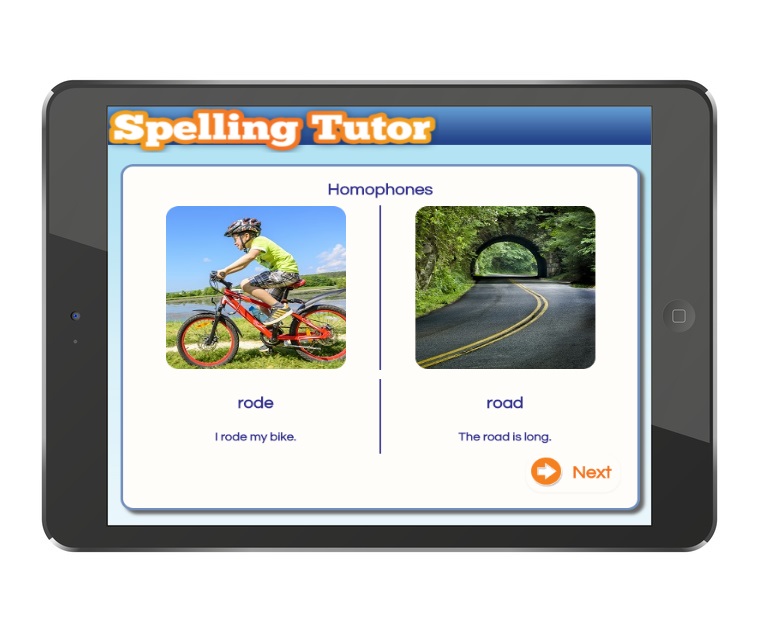
Children with dyslexia often face challenges with spelling. It’s common for them to spell the same word in different ways within a single piece of writing. English is a complex language, due to its many irregular patterns and exceptions. Therefore you need to memorise the spelling of every word.
Phonics alone will likely not be enough to teach a child to spell accurately, and simply reading more won’t always improve spelling. For many children, especially those with dyslexia, memorising the correct spelling of individual words is essential to developing strong spelling skills.
Spaced repetition is a key strategy for improving memory and recall. Spaced repetition is reviewing or testing the same word repeatedly, with greater periods of time between each review. Spelling Tutor uses this proven method to teach your child to spell.

Who Diagnoses Dyslexia?
In the UK, an Educational Psychologist or a dyslexia assessor diagnoses dyslexia. They talk to the child, run some simple tests, and then write a report with recommendations.
A school may pay for a full diagnosis, or assessments may need to be done privately. A school may do a screening test instead of paying for a full diagnosis.
Generally, you can't get a formal diagnosis of dyslexia until a child is 7, however the following indicators of dyslexia can be observed much earlier:
- Poor Phonological Awareness: This is the strongest predictor of dyslexia, and can be easily tested from about age 3. Not being able to play Eye Spy, i.e. not being able to name an object that starts with the 'b' sound is due to poor phonological awareness. Not understanding rhymes is another indicator.
- Rapid Automatic Naming: Children with dyslexia will be very slow at rapid automatic naming, e.g. quickly telling you what colour something is.
- Poor Rhythm: Difficulty copying a rhythm is another early sign of dyslexia.[2]
A child may also experience speech and language difficulties, which can include challenges with pronouncing words clearly or using language effectively to express themselves.
Finally, one of the most significant indicators of dyslexia is difficulty with early learning skills. These may include:
- Difficulty learning the alphabet.
- Difficulty learning to read and write their name.
- Difficulty learning to read.
- Difficulty distinguishing between letters like b and d.
If a child is finding school challenging, it may come as a surprise to the child’s parents/carers - especially if they seem curious, capable, or full of ideas at home. In fact, many individuals with dyslexia are highly intelligent and often show strengths in areas like creativity, problem-solving, or verbal reasoning
If, as a parent, you suspect a child may be dyslexic but they are too young for a formal diagnosis, try not to worry. While a diagnosis can provide clarity and understanding, it does not automatically change the support a school offers. Knowing a child is dyslexic does not necessarily provide the school with additional resources or funding. The support a child receives is typically based on their specific learning needs, and schools will do their best within their means to help them succeed.
The nature and developmental trajectory of dyslexia depends on multiple genetic and environmental influences.
Literacy Gold has a Dyslexia Screener, which tells you if it is likely that a child has dyslexia. It also recommends things you can do straight away to support them.
What is the Benefit of a Diagnosis?
For both parents and SENCos, a clear understanding of a dyslexia diagnosis opens the door to tailored strategies that can make a difference. It helps everyone involved - the child, their family, and school staff - to understand why certain tasks may be more challenging, and what specific areas need support. With this insight, you can work together to put the right tools, resources, and interventions in place to help the child succeed and thrive.
Most children with dyslexia also have other neurodevelopment differences, like ADHD, dyspraxia or Asperger's. An Educational Psychologist’s assessment may not cover these additional challenges, so their report might not provide a complete picture of the child’s difficulties.
What Extra Help Could be Provided?
This varies country to country, and school to school. Support may be provided in the form of:
- A reader or writer to help you in exams
- Extra time
- Use of a laptop
- Extra reading / writing tuition
- Rest breaks
- Less homework
- Not being asked to copy off the board
The specific help a child receives often depends on the severity of their dyslexia and the policies or resources of their school.
This help is available without a formal diagnosis of dyslexia if your school thinks you child needs it. The school can apply for extra help on a child’s behalf without requiring an official diagnosis.
Co-occurring Difficulties
Most children with dyslexia also have other difficulties. The most common related issues are dyspraxia, ADHD/ADD (impacting attention), developmental language disorder and dyscalculia.
It’s important to explore whether a child may have additional conditions, as focusing solely on dyslexia might mean missing out on support that could address other needs. Comprehensive assessment and support can make a significant difference a child’s progress.

Related Conditions
1. Eye movements and reading problems
2. Rhythm production at school entry as a predictor of poor reading and spelling at the end of first grade